
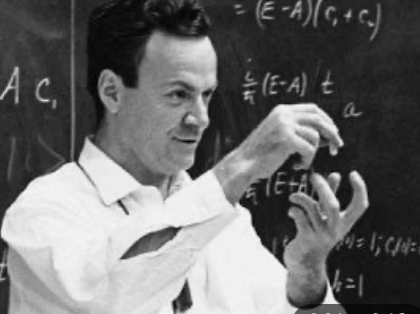
Richard Feynman, the renown Nobel prize recipient and physicist loved to learn and read. He wrote an insightful article on “remembering what you read” I begin this blog with the principles Feynman deliniated:
Richard Feynman
For those who do not know who Richard Feynman, he was one of the most brilliant, charismatic, and unconventional theoretical physicists of the 20th century. Widely regarded as a genius who combined profound scientific insight with boundless curiosity, a playful spirit, and a disdain for unnecessary complexity, he became a cultural icon through his books, lectures, and public persona.
Feynman taught that our brains consolidate memory in phases (its a long process) – when you first learn something or read, it develops a ‘working memory’ and this long term storage needs time, to get consolidated. (Strengthened, made secure) i.e., if your reading something important, (don’t be soo thorough the first time you begin the examination the book) Be strategic – choose what to read and in what order — initially spend a short period of time reading it through, then return to it the next day and back again. Each time you read, try to retrieve your memory; what you previously learned, noting the main points. This is a retrieval process that works to strengthen your memory. It’s harder than just reading or rereading something. However, the difficulty leads to developing a good memory. Also, the act of engaging our memory, even failing to remember specific details can be improved by correcting the details once you have started the process of recalling.
Lorem ipsum dolor sit amet, consectetur adipiscing elit. Ut elit tellus, luctus nec ullamcorper mattis, pulvinar dapibus leo.